
The Pros And Cons Of Including Utilities In Your Rental Agreements
Written on
12/02/2025
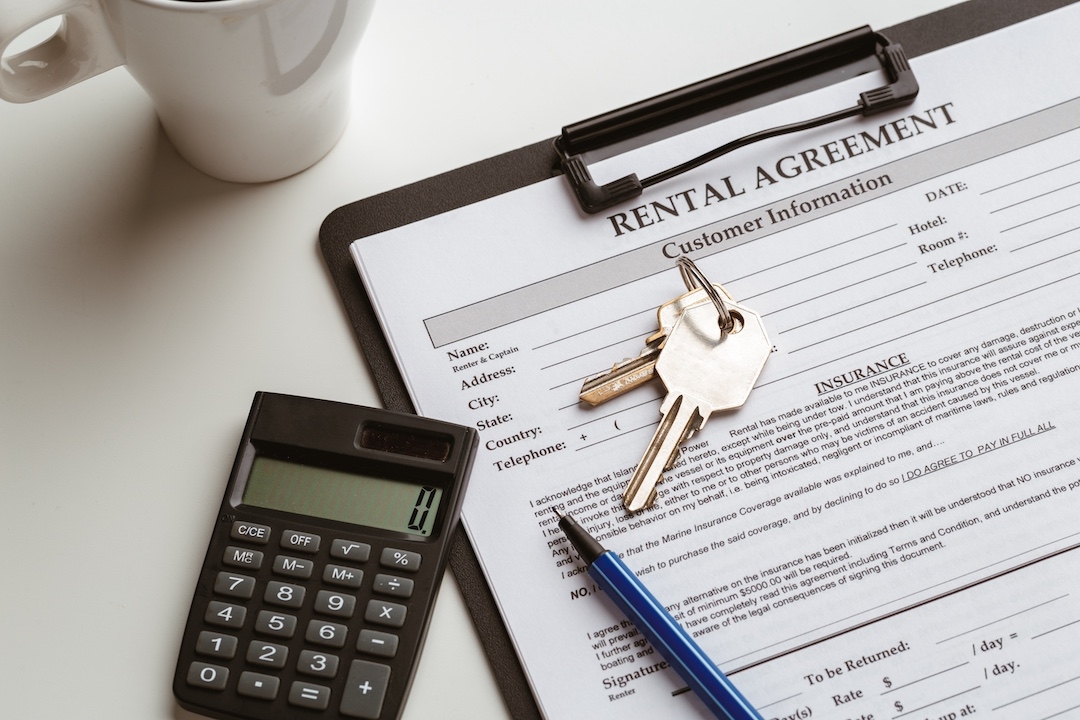

When you are considering rental concession strategies, including utilities in your rental agreements can be attractive in highly competitive markets. However, the decision isn't one-size-fits-all. Covering utilities affects both how you price your rental and how tenants use those services.
Here are the pros and cons so you can decide whether a utilities-included model makes sense for your rental:
Pros For Renters
- Consistent Budgeting: When rent and utilities are rolled into one payment, it's easier for renters to plan ahead.
- Fewer Setup Hassles: Moving in gets a lot simpler when renters don't have to spend time setting up accounts or waiting on utility companies to start service.
- Potential Cost Savings: For renters who use more electricity or water, an all-inclusive setup may save money compared to paying each utility separately.
- Reduced Roommate Conflicts: Shared rentals benefit from simplified billing. No more tracking who owes what for utilities.
- Convenience and Peace of Mind: One predictable payment streamlines living expenses and reduces the risk of missed utility payments.
Cons For Renters
- Higher Base Rent: Utilities are factored into the rent, meaning renters typically pay a higher total amount each month.
- Less Control Over Providers: renters can't choose their own internet, energy, or water company and must rely on the landlord's setup.
- No Incentive To Conserve: Rent remains the same regardless of how much or how little utilities are used.
- Possible Usage Caps: Some landlords set monthly limits, with extra charges for exceeding them.
- Overpaying For Light Use: Renters who use minimal utilities may end up covering the higher usage of others.
Pros For Landlords
- Increased Rental Appeal: Listings that include utilities often stand out because they make life easier for renters who want a simple, all-in-one monthly payment.
- Simplified Payments: When everything is rolled into one rent payment, landlords spend less time juggling utility bills and more time focusing on their properties.
- Potential For Higher Rent: The added convenience allows you to charge a premium rate that offsets utility costs.
- Tax-Deductible Expenses: Utility payments you make can usually be deducted as business expenses.
- Streamlined Move-Ins And Move-Outs: renters don't need to activate or cancel accounts, making transitions faster and easier.
Cons For Landlords
- Fluctuating Costs And Risk: Utility rates and renter usage can vary, making expenses harder to predict and budget.
- Renter Overuse: Without direct responsibility for bills, renters may consume more electricity, gas, or water than necessary.
- Added Responsibility: You become the main contact for all service issues.
- Higher Rent May Limit Applicants: Some renters may be priced out by the bundled rate, shrinking your potential applicant pool.
- Shared Meter Complications: If utilities aren't individually metered, dividing costs fairly among multiple rentals can be tricky.
Thinking about including utilities in your rental agreements? Our team can help you weigh the costs, set fair pricing, and draft lease terms that protect your bottom line. Contact Occupancy Solutions today to get expert guidance and start building a rental strategy that works for you and your tenants.












 Sign Me Up!