
The Elements Of Property Management


One of the most stable ways to make the most of a passive income is to invest in property, such as residences, and allow people to live there in exchange for payment. Whether the administration of this activity is something you do yourself or whether you hand off this duty to someone else, the day-to-day running of this activity is known as "property management." Property management consists of seven major responsibilities:
Marketing Unoccupied Residences
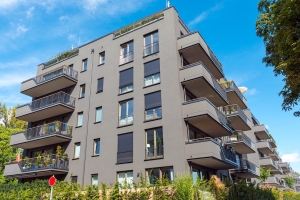
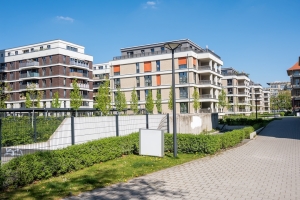
Whether you're just starting out or you have a collection of properties, such as an apartment building, any vacant residences are generating income for you. So a critical duty is to market these properties and find people who want to live in them. Proper marketing and promotion will get that availability out so you can find new residents.
Tenant Screening
In a perfect world, everyone who wants to live in a residence should be able to do so without issue, but in the real world, some potential residents are making an effort in good faith, and some are duplicitous in their motives. Evaluating residents to ensure they meet certain criteria, such as financial, for example, is a good way to ensure reliable, harmonious residents.
Lease Details
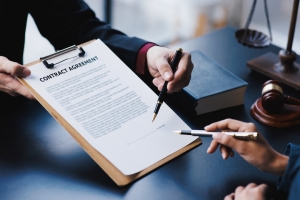
An important step once suitable residents have been found is legally finalize the agreement. The lease is crucial in this respect, as it outlines the terms of the transaction between the owner and the new residents. While the general structure of the lease remains the same, there may be some variance in individual details that require attention and care.
Complying With Laws
There is usually a series of laws governing residential properties, which exist at both the municipal and state levels. It's critical in property management to ensure compliance with these laws, whether that's a local winter bylaw requiring sidewalks to be cleared within 24 hours of snowfall or safety standards for HVAC systems.
Payment Collection
Of course, once residents have been approved and moved in, they will pay regularly to remain residents. Collecting these payments is an important key duty in property management, as is negotiating with payment delays or even arranging for different payment schedules depending on need.
Financial Management
An ongoing responsibility of property management is financial maintenance. While collecting payments comprises one specific element of that, there are other aspects to consider. Paying for repairs when they occur, for example, or budgeting for the various types of seasonal maintenance, or even professional inspections of the property, all fall under financial management.
Property Maintenance
Similar to financial management, property maintenance is a final ongoing responsibility of property management. Even the best-constructed property is not immune to time or the elements. Over the course of the year, depending on the severity of seasons, exteriors must be cleaned and maintained, and infrastructure such as plumbing and HVAC must be inspected and also maintained. All of this ensures the residence remains in good condition, finding and addressing small problems before they turn into a larger, more expensive crisis.
If you want to make the most of your residential investment and want to work with a reliable property management service provider, contact Occupancy Solutions and let us help.








 Sign Me Up!