
3 Factors That Affect Occupancy Rates
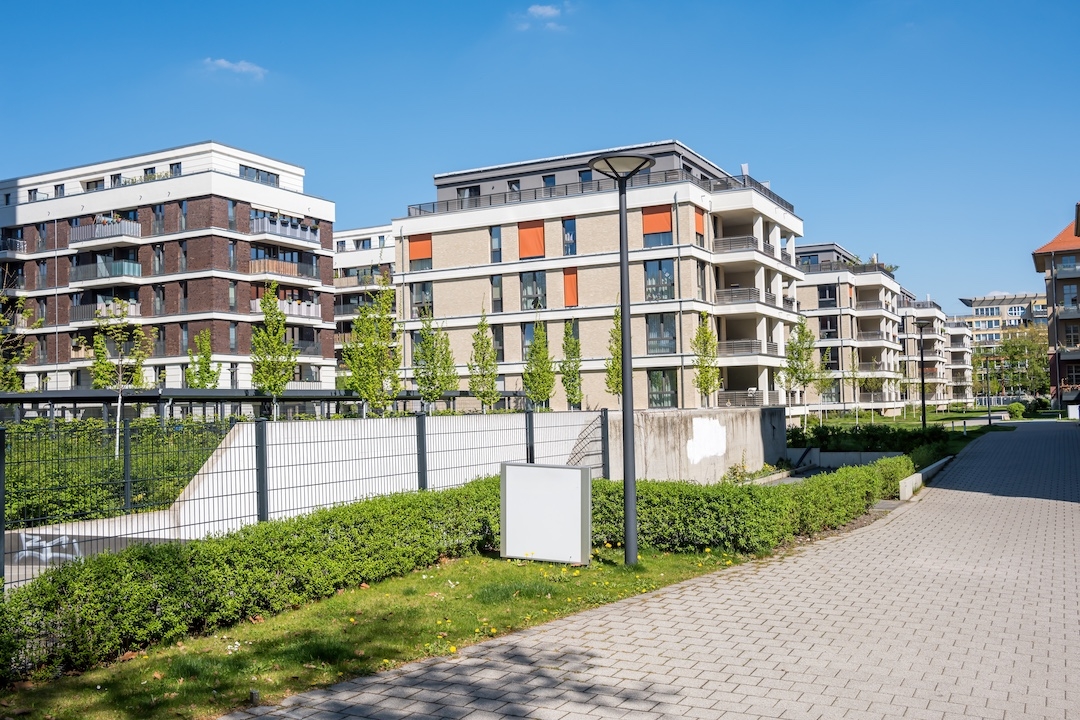

If you're investing in residential properties, one of your key performance indicators will be keeping your occupancy rates high. That is, the more residences are occupied, the more money you make. Here are three key factors that will ensure your occupancy rates remain high.
Competitive Rent
This is probably one of the most important factors. It's crucial to monitor the market in your area and ensure that the pricing you request from residents is comparable to—or better than—the rates in the surrounding area. The fastest way to see your occupancy rates drop is if you set rents too high for the region. If there are better rates, people will prioritize those over your own.
Resident Retention
Another important factor for high occupancy is known as "resident retention." This simply means that when people take up residence, they tend to do so for the long term, paying rent for years while they live there. The type of residents you have, such as older adults or families just starting out, would be more reliable in this regard than student housing, where seasonal vacancies are the norm, for example. Ensuring quality maintenance of the property, as well as good communication and responsiveness to residents, are other ways to increase resident retention.
Flexible Financial Options
Another important factor for high occupancy is the ability to be more adaptable when it comes to finances. If you only offer one type of lease, for example, this limits the types of residents to those who can meet your single lease requirement. However, if you provide a variety of lease structures, such as short-term, mid-term, and long-term leases, as well as other attractive financing options, including lease renewal incentives, this broadens the types of residents available to you and attracts them to your property.
If you'd like help improving your property management, contact Occupancy Solutions and let us help you maximize the value of your residential property investment.







 Sign Me Up!